
The gold market in the UAE and across the Gulf region recorded a strong upward trend during January 2026, driven by the global rally in gold prices and increased demand for safe-haven assets amid geopolitical tensions and currency volatility. These dynamics were reflected in local gold prices, particularly in Dubai and Sharjah, where demand for bullion and investment-grade gold strengthened, despite periods of increased price volatility toward the end of the month.
In this monthly report, Delor Gold Trading LLC presents a focused analysis of gold price performance in the UAE and the GCC during January 2026, highlighting key global and regional drivers, and outlining data-informed expectations for February to support informed and balanced decision-making.
Global Gold Market – January 2026 (XAU/USD)
Gold prices recorded a strong bullish trend globally during January 2026, with spot gold reaching historical highs around the USD 4,900–4,990 per ounce range in mid-month, following a breakout above several key resistance levels. This surge reinforced positive investor sentiment across both short- and medium-term horizons.
However, toward the end of January, gold prices entered a phase of profit-taking and limited price correction, pulling back from their peak levels amid shifts in market sentiment and movements in the US dollar. Despite this retracement, the broader upward trend remained intact, with prices holding well above key support levels.
The overall price performance was supported by escalating geopolitical tensions among major global powers, which sustained demand for gold as a safe-haven asset. In parallel, fluctuations in the US dollar continued to play a significant role in shaping price movements, alongside investor focus on inflation trends and anticipated central bank policy decisions—particularly those of the US Federal Reserve.
Market assessments from global financial institutions indicate that January’s price action reflects a transition from rapid upward momentum to a market rebalancing phase, as participants reassess positioning ahead of February amid ongoing macroeconomic and geopolitical uncertainties.
Gold Market in the UAE and the Gulf – January 2026
UAE Market
The UAE gold market closely tracked global price movements throughout January 2026. During the first half of the month, 24K gold prices reached approximately AED 597–602 per gram, while 21K gold traded in the AED 530–533 range, reflecting one of the strongest upward movements seen in recent periods. This rise was largely driven by increased investment demand for high-purity gold bars and bullion products.
Toward the end of January, local gold prices experienced heightened volatility and modest pullbacks, in line with global price corrections. Despite this, prices remained well above early-month levels, indicating that the broader upward trend was largely preserved.
Gold ounce prices in the UAE approached AED 18,300, highlighting the resilience of the local market, particularly in Dubai and Sharjah, where investment-driven demand tends to respond quickly to shifts in global pricing.
Saudi Market
In Saudi Arabia, gold prices followed a similar trajectory, benefiting from the global rally earlier in the month. 24K gold approached SAR 600 per gram, with positive movement across other karats. Gold ounce prices also exceeded SAR 20,000, confirming the spillover of global price momentum into one of the region’s largest gold markets.
As January drew to a close, prices entered a phase of short-term consolidation, reflecting global market adjustments and reinforcing expectations of continued volatility heading into February, subject to international developments.
Other GCC Markets
The global gold price surge extended to other GCC markets, including Qatar, Bahrain, and Kuwait. Prices broadly followed the same upward direction seen across the region, with limited variations attributable to local manufacturing costs and trading margins. Overall, gold prices in these markets remained closely tied to global ounce movements, meaning that sharp international price changes were quickly transmitted to local pricing.
Gold Price Comparison: Early vs Late January 2026
The table below highlights the scale of gold price movements during January 2026 by comparing early-month levels with prices recorded toward the end of January 2026, reflecting both the strong mid-month rally and the subsequent price correction seen in global markets.
| Market & Karat | Early January 2026 | Late January 2026 | Change |
|---|---|---|---|
| 24K – UAE | AED 578–583 | AED 590–598 | +AED 10 to +20 |
| 21K – UAE | ~AED 510 | AED 525–532 | +AED 15 to +22 |
| 24K – Saudi Arabia | SAR 576–580 | SAR 590–598 | +SAR 12 to +22 |
Note: Late January prices reflect increased volatility and partial price corrections following the mid-month peak in global gold prices.
This comparison shows that January 2026 remained a broadly bullish month for gold prices across the UAE and Saudi Arabia, despite increased volatility and modest pullbacks toward the end of the month. Prices nevertheless closed January at levels well above those recorded at the beginning of the month, underscoring the strength of underlying market drivers and the rapid transmission of global price movements into local Gulf markets.
Gold Price Outlook for February 2026
Overall Market Direction
Current indicators suggest that gold may enter February 2026 in a rebalancing phase following January’s strong rally. While short-term volatility is expected, the broader market bias remains constructive, supported by ongoing geopolitical risks, monetary policy expectations, and currency movements.
If global gold prices manage to remain above key support levels near USD 4,800 per ounce, higher price ranges could be tested during February. However, continued price fluctuations should be expected as market participants reassess positioning after the late-January correction.
UAE Price Expectations
In the UAE, gold prices are expected to trade within a broader and more volatile range during February, combining short-term corrections with a generally upward bias under stable global conditions:
24K Gold:
Possible downside range: AED 580–590 in the event of continued short-term correction
Expected trading range: AED 595–615 if global prices stabilize
Potential upper range: AED 620–630 should global gold prices regain strong momentum and move decisively higher
21K Gold:
Possible lower range near AED 515–520
Upside potential toward AED 540–555 by mid-to-late February if bullish momentum resumes
These projections are based on current market conditions and may change in response to global economic, geopolitical, and monetary developments.
Saudi Arabia and Wider GCC Outlook
- Saudi Arabia:
24K gold is expected to trade within a SAR 585–605 range, with 21K gold potentially moving toward SAR 540–560 if global prices stabilize or trend higher. - Other GCC Markets:
Gold prices across the GCC are likely to remain closely tied to global ounce movements, with continued volatility and the potential for testing higher regional levels should international prices strengthen during February.
Is February a Good Time to Buy or Sell Gold?
For Buyers
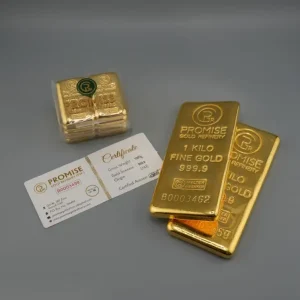
For those seeking investment exposure or long-term value preservation, adopting a phased buying strategy rather than entering the market at a single price point may help manage volatility, particularly during periods of short-term price corrections. 24K gold bars and coins remain a preferred option for investors, given their lower fabrication costs and direct linkage to global gold prices.
For Sellers
For holders of non-investment gold items, periods of price strength during upward market movements may present suitable opportunities to consider selling, should such levels be tested. However, timing decisions should remain closely aligned with prevailing global market conditions and overall price volatility, rather than fixed price targets.
Key Observations on the UAE Gold Market
The UAE gold market continues to demonstrate a balanced demand profile between investment products and jewelry. While demand for bullion typically rises during price rallies, demand for 21K jewelry tends to remain relatively stable. Fabrication costs can vary significantly between retailers—often ranging between AED 5 and AED 15 per gram—making price comparison an essential step for buyers before making a purchase.
Conclusion
January 2026 delivered strong gains in gold prices at both global and regional levels, supported by clear economic and geopolitical drivers. Toward the end of the month, the market entered a phase of increased volatility and limited price correction following the mid-month rally. As February begins, indicators point to a cautious but constructive outlook, with gold prices likely to move within volatile ranges while maintaining an upward bias if supportive conditions persist.
At Delor Gold Trading LLC, we continuously monitor market developments and provide monthly insights and analysis to support individuals and traders in making well-informed decisions when buying or trading gold in the UAE.
FAQ – Gold Prices January 2026
Did gold prices rise in the UAE during January 2026?
Yes. Gold prices in the UAE recorded a noticeable increase during January 2026, with 24K gold moving from lower levels at the beginning of the month to significantly higher ranges by the end of January. This rise was driven by the global surge in gold prices and increased demand for gold as a safe-haven asset, despite modest pullbacks in the final days of the month.
Are gold prices expected to keep rising in February 2026?
Current indicators suggest that gold prices may continue to experience heightened volatility during February 2026, with a generally constructive bias over the medium term if global prices remain above key support levels. Future movements will depend on global market conditions, including currency trends, geopolitical developments, and central bank policy decisions.
Is investing in gold bars better than jewelry?
This depends on the purpose of the purchase. For investment or long-term value preservation, 24K gold bars or coins are generally more suitable due to lower fabrication costs and direct exposure to global gold prices. Jewelry, on the other hand, is better suited for personal use or gifting, as its resale value is influenced by fabrication costs and design considerations.