Silver is often described as both a metal and a market tool. It is used in industries, stored as wealth, and traded globally. Investment in Silver appeals to people who want something tangible but still active in price movement. Investors who already trust physical assets, such as gold bars and gold ornaments from delor, tend to see silver as a practical extension rather than a risky shift.
Main Ways to Invest in Silver in 2026
The best ways to invest in silver in 2026 are physical silver, silver ETFs, mining stocks, futures, and digital silver platforms. These methods represent the most common and effective silver investment options for long-term and diversified portfolios.
Physical silver (bars and coins)
Silver ETFs
Silver mining stocks
Digital silver platforms
Silver futures and options
How to Trade Silver for Beginners
Many beginners start learning about silver by watching price movements and understanding how silver markets operate. Trading silver usually happens through financial platforms where investors speculate on price changes.
Common ways to trade silver include:
Silver futures contracts
Silver ETFs
CFD trading platforms
Mining company stocks
For beginners, it is often recommended to start slowly and focus on understanding price behavior before making frequent trading decisions.
What Is Silver Trading and Investing?
Most people first hear about silver when its price starts moving and everyone talks about it. At that moment, confusion usually begins. Some people trade silver, others invest in it, and many do not really know the difference. Trading is fast. It needs attention, timing, and constant decisions. Investing is slower and calmer.
When someone thinks about Investment in Silver, they are usually not watching charts every day. They are thinking about holding something real, something connected to industry and long-term demand. It is less exciting but also less exhausting. Many beginners feel more comfortable with this approach.
The key difference comes down to personality. Trading suits people who like action and pressure. Investing suits people who prefer patience and clarity. Neither is better by default. Problems usually start when someone chooses the wrong path for how they actually think and behave with money.
Key Differences Between Trading and Investing in Silver
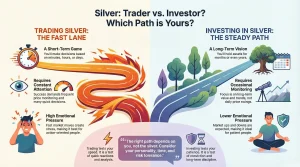
The difference between trading and investing in silver is not just technical. It affects how often you make decisions, how much pressure you feel, and what you expect from the market over time. Understanding these differences early helps avoid confusion and wrong choices.
Time Frame
Trading silver usually happens over short periods. It can take place within hours or even minutes. Investing, on the other hand, takes longer and is measured in months or years.
Market Attention
People who trade silver watch prices closely throughout the day. Charts and timing matter a lot. Investors usually follow the market less frequently.
Daily Price Sensitivity
Those focused on Investment in Silver are less concerned with daily price changes. They care more about long-term positions than short headlines.
Risk Experience
Risk feels different in each approach. Trading involves frequent decisions, which increases emotional pressure. Investing tends to feel calmer, even during price swings.
Decision Frequency
When learning how to invest in silver for beginners, many people realize they prefer fewer decisions, not constant action.
Tools and Methods
Trading often relies on technical indicators and signals. Investing focuses more on understanding value, demand, and long-term trends.
Handling Losses
Losses in trading feel immediate. In investing, ups and downs are expected and usually accepted as part of the journey.
Good or Bad Question
Individuals who ask whether investing in silver is good or bad often find that the answer depends on their chosen method rather than on silver itself.
Skill Requirements
Trading requires speed and discipline. Investing requires patience and trust.
Personal Fit
The final choice depends on personality. Some enjoy fast action, while others prefer steady progress and less stress.
Why Silver Matters: Understanding the Relationship Between Silver and Gold
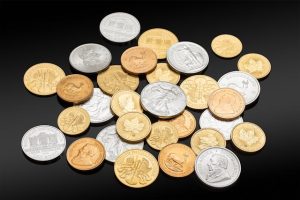
To fully understand why silver holds a distinct place alongside gold, it’s important to look at how each metal responds to economic forces, industrial demand, and investor behavior, which leads us to the following points:
- Silver often gets compared to gold, but its role in the market is slightly different. Gold is mainly a store of value, while silver plays a dual role.
- One reason silver matters is its industrial demand. It is used in electronics, solar panels, and medical tools, which ties its price to real-world production.
- Gold demand is more financial and emotional. Silver demand reacts more to economic activity and manufacturing cycles.
- This connection explains why silver prices sometimes move faster than gold, both up and down.
- Investors looking into Investment in Silver often notice that silver feels more responsive to market changes than gold.
- During strong economic periods, silver can outperform gold because factories and industries consume more of it.
- During uncertainty, silver still benefits from its precious metal status, but not always as strongly as gold.
- The gold-to-silver ratio is a common comparison tool. It helps investors understand whether silver is relatively cheap or expensive compared to gold.
- People learning how to invest in silver for beginners often like this balance between stability and movement.
- Unlike gold, silver usually requires a lower entry cost, which makes diversification easier.
- Silver is not a replacement for gold. It works better as a complement.
- Together, gold and silver create balance between safety and opportunity.
When these factors are viewed together, silver clearly stands as a strong complement to gold, offering a practical balance between market sensitivity and long-term value within a diversified investment approach.
Investors often compare silver with gold when evaluating precious metal investments. While silver reacts more strongly to industrial demand, gold tends to act as a traditional safe-haven asset. For a deeper look at how geopolitical and economic factors influence gold prices, see our detailed analysis on Gold Price Forecast 2026 and market outlook.
What Moves the Price of Silver? (Market Drivers Explained)
Silver prices don’t move in a straight line, and they are rarely driven by a single factor. Instead, silver reacts to a mix of economic signals, industrial activity, market psychology, and global trends, which explains its unique and sometimes confusing behavior:
- Silver does not move for one clear reason. It reacts to many things at the same time, and that is what confuses beginners.
- One obvious factor is industrial demand. When factories slow down, silver feels it. When production increases, silver usually responds.
- Silver is used in daily products. Electronics, solar panels, medical equipment. That real usage affects pricing more than people expect.
- Economic news matters, but not every headline. Long-term trends have more impact than short market noise.
- The US dollar quietly influences silver. When the dollar feels strong, silver often struggles. When it weakens, silver gets attention.
- Inflation fears push people toward metals. Silver benefits from that, even if it moves less smoothly than gold.
- Investor emotions play a role. Fear, excitement, and speculation can move prices faster than fundamentals.
- Silver often follows gold, but not politely. It moves sharper. Faster up, faster down.
- Mining supply is not always stable. Production costs, regulations, and disruptions affect availability.
- Anyone thinking about Investment in Silver quickly notices how sensitive silver is compared to gold.
- For those learning how to invest in silver for beginners, this behavior can feel uncomfortable at first.
- Silver prices move because many forces collide. That unpredictability is part of the deal, not a mistake.
When all these forces interact, silver becomes one of the most sensitive metals in the market. Its price swings are not random but the result of multiple pressures meeting at once, making volatility a natural part of investing in silver rather than a flaw.
Types of Silver Investment (Physical, ETFs, Digital, Futures, Mining Stocks)
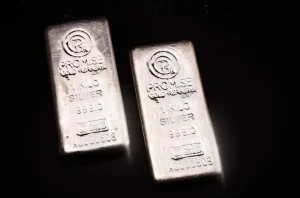
Silver can be invested in through more than one path, and each option offers a different experience in terms of control, risk, and involvement. Understanding how these forms differ helps clarify which approach may suit you best:
Physical Silver
This option suits people who prefer direct ownership. Physical silver feels straightforward because you buy the metal itself, but it also requires thinking about storage, safety, and long-term keeping.
Silver ETFs
Silver ETFs are designed for those who want exposure to silver prices without handling the metal. They are easier to manage, traded through platforms, and remove the need for storage concerns.
Digital Silver
Digital silver offers a fully online experience. Ownership is recorded digitally, making it appealing to investors who value convenience, speed, and minimal physical responsibility.
Silver Futures
Futures are more advanced and fast-moving. They require constant attention and a higher tolerance for risk, which is why many beginners find them challenging at first.
Mining Stocks
Mining stocks focus on companies rather than the metal itself. Their performance can be influenced by management decisions, costs, and regulations, not just silver prices.
In the end, there is no single right way to invest in silver. Each type comes with its own rhythm and level of comfort, and the best choice is simply the one that feels clear, manageable, and aligned with your goals.
How to Invest in Silver for Beginners (Step-by-Step Guide)
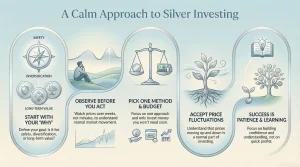
Getting started with silver does not begin with a purchase, but with clarity about your reasons, comfort level, and expectations. Taking a gradual and thoughtful approach helps beginners build confidence before making any decisions, which leads to the steps below:
- The first step is not buying anything. It is understanding why you want silver in the first place. Some people want safety. Others want diversification. Being honest here saves mistakes later.
- Start by watching silver prices for a while. Not for hours. Just over days or weeks. This helps you get used to how silver behaves.
- Decide how involved you want to be. Some beginners like simple ownership. Others are comfortable using platforms or digital tools.
- Set a clear amount. Never start with money you might need soon. Silver works better when there is no pressure to sell quickly.
- When people think about Investment in Silver, they often underestimate how important comfort is. If something feels stressful, it is probably the wrong entry point.
- Choose one method only at the beginning. Trying everything at once usually creates confusion.
- Accept that prices move. Silver will not behave perfectly. Such behavior is normal and part of the experience.
- Avoid constantly checking prices. It creates unnecessary stress and emotional decisions.
- Learn as you go. Experience teaches more than reading ever will; the goal at the beginning is not profit. It is confidence and understanding.
For beginners, the real success of investing in silver is not measured by quick profits but by understanding the process, staying comfortable with price movement, and gaining confidence step by step over time.
Choosing a Silver Market to Trade or Invest In
Silver can be accessed through different markets, and choosing where to trade or invest often matters as much as choosing the metal itself. Each market creates a different experience in terms of speed, pressure, and decision-making, which leads to the following considerations:
Physical Silver Market
This market feels familiar and transparent. You know exactly what you are buying, where it comes from, and how it is owned, which gives many investors a strong sense of clarity and control.
Online Silver Markets
Online markets offer flexibility and convenience. Prices update instantly, access is easy, and everything is managed digitally, making them attractive to people who prefer speed and simplicity.
Trading Platforms
Trading platforms move quickly and demand fast decisions. Price changes can happen within seconds, which suits active traders but can feel stressful for those who prefer a calmer pace.
Investment-Focused Markets
These markets are designed for longer-term thinking. There is usually less pressure to react to short-term price movements, allowing investors to focus on broader trends.
Regulated and Liquid Markets
Markets with clear regulation and strong liquidity provide confidence. Being able to enter and exit easily, with transparent rules and reasonable costs, often makes a significant difference over time.
In the end, the right silver market is not the most popular or advanced one, but the one that fits how you think and make decisions. Comfort, clarity, and consistency matter more than speed or complexity.
Decide Whether to Trade or Invest in Silver (Based on Your Strategy)
Before deciding whether to trade or invest in silver, it helps to step back and look at your own habits, time, and emotional comfort rather than focusing only on market movement, which leads to the points below:
- Before choosing anything, most people need to look at themselves first, not the market. How you react to pressure matters more than price movement.
- Some people enjoy fast decisions. Others feel drained by them. This difference alone can guide the choice.
- Trading silver demands attention. You cannot ignore the market for long without consequences.
- Investing allows distance. You can step back and let time do its work.
- When considering Investment in silver, many people realize they value calm more than action.
- Your daily schedule matters. Trading fits people who can check prices often. Investing fits those with limited time.
- Emotional tolerance plays a big role. Trading tests patience in a different way than investing does.
- Losses feel sharper in trading because they happen quickly. In investing, changes feel slower and easier to process.
- Goals matter. Short-term goals usually lean toward trading. Long-term goals often align with investing.
- There is no need to rush this decision. Many people try one approach, then adjust later.
- Mixing both too early often causes confusion. Simplicity works better at the beginning.
- The best strategy is the one you can stick with without stress or regret.
In the end, the right choice is not the most active or popular strategy, but the one you can follow consistently without pressure, stress, or second-guessing.
Opening Your Silver Trading or Investment Account
Opening a silver trading or investment account is usually a straightforward step, but the real value comes from choosing a platform that matches your goals, comfort level, and expectations, which brings us to the key points below:
- Opening an account is usually easier than people expect. The confusion often comes from choice, not from the process itself.
- The first step is deciding what you want the account for. Trading and investing need different setups.
- Some platforms feel busy and fast. Others feel calm and straightforward. This first impression matters more than most people think.
- Registration usually asks for basic information. Identity checks are normal and meant for security, not complication.
- Many beginners rush this step. Taking time to read terms helps avoid surprises later.
- Funding the account should feel comfortable. If the amount feels stressful, it is probably too much for a first step.
- People interested in Investment in Silver often prefer accounts that focus on long-term holding rather than constant activity.
- Platform layout matters. If it feels confusing on day one, it usually stays confusing.
- Customer support becomes important when questions appear. Clear answers build trust.
- Fees are often overlooked. Small charges can matter over time, even if they seem minor at first.
- Security features should feel visible, not hidden.
- Opening an account is not a commitment to act immediately. It is simply preparation.
- The best accounts make you feel informed, not rushed.
When the account setup feels clear, secure, and manageable from the start, it becomes easier to focus on learning and decision-making, allowing your silver strategy to develop with confidence and calm.
How to Monitor and Close Your Silver Position
Managing a silver position is less about constant monitoring and more about awareness, timing, and emotional control. Knowing how and when to review your position helps keep decisions calm and intentional, which leads to the following practices:
Set Clear Entry and Exit Reasons
Before entering a silver position, define why you are in it and what would justify leaving. Clear reasons reduce emotional interference when prices start to move.
Monitor at Planned Intervals
Checking prices at specific times creates balance. It keeps you informed without pulling you into unnecessary stress caused by constant screen watching.
Separate Noise from Real Signals
Not every price movement or news headline deserves a reaction. Long-term trends and meaningful shifts matter more than short-term fluctuations.
Know When to Close Calmly
Closing a position should feel deliberate, not rushed. Planned exits, whether for profit or loss, help avoid panic-driven decisions.
Accept Profits and Losses Realistically
Perfect timing is rare. Taking reasonable gains and accepting losses as part of the process leads to healthier long-term behavior.
Learn from Each Exit
Writing down why you closed a position builds clarity and experience. Each decision becomes a reference point for improving future silver strategies.
Monitoring a silver position is about maintaining control without pressure. Closing a position is not a failure or a finish line, but a natural step in understanding how silver fits into your overall approach.
Risks of Trading and Investing in Silver (and How to Manage Them)
Silver carries real opportunities, but it also comes with risks that can surprise people who are not prepared. Understanding where these risks come from and how to manage them calmly makes a big difference in how silver fits into your overall approach:
Price Volatility
Silver prices can move quickly and sharply. This volatility can feel exciting at first, but without preparation it often turns into stress, especially for new investors.
Emotional Decision-Making
Fear and excitement are among the biggest risks. Acting too fast during price swings often leads to poor timing and unnecessary losses.
Market Noise and Headlines
Not every piece of news matters. Reacting to every headline creates confusion and pulls focus away from long-term trends that actually shape silver prices.
Timing Mistakes
Entering late or exiting too early is common, particularly in trading. These mistakes are part of the learning process and improve with experience and patience.
Overexposure
Putting too much money into one silver position increases pressure and emotional strain. Smaller positions help keep decisions clear and manageable.
Lack of a Clear Plan
Without a defined reason for entering a position, doubt grows quickly. A clear plan provides direction when prices move against expectations.
Managing Risk Realistically
Risk management is not about eliminating risk but about keeping it at a level you can tolerate. Accepting small losses early is often healthier than holding on with hope.
The real challenge in silver investing is not controlling the market but controlling your reactions to it. With awareness, planning, and patience, silver’s risks become manageable parts of a disciplined investment journey.
Is Investing in Silver Good or Bad? (Pros & Cons)
| Pros of Investing in Silver | Cons of Investing in Silver |
| Accessibility: Silver usually costs less than gold, which makes entry feel easier. | Volatility: That same movement can feel uncomfortable. Prices can rise and fall quickly. |
| Industrial Use: Silver has real industrial use. This gives it demand beyond investment alone. | Quiet Periods: Patience is tested during quiet periods. Silver does not always move when people expect it to. |
| Price Movement: Silver reacts faster than gold, which creates opportunities. | Stressful Without Experience: Volatility feels stressful, especially without experience. |
| Tangibility: For some, holding silver feels reassuring because it is tangible and widely recognized. | Emotional Impact: Comfort matters as much as return. |
| Unfit for Everyone: Silver may not suit those who need constant certainty. |
How to Invest in Silver in the UAE
Investing in silver in the UAE is becoming increasingly popular due to the country’s strong precious metals market and well-established trading infrastructure. Dubai, in particular, is considered one of the world’s leading hubs for gold and silver trading, offering investors access to regulated markets, transparent pricing, and a wide range of investment options. This makes silver investment in the UAE more accessible and structured than many beginners initially expect.
- Investing in silver in the UAE often feels simpler than people expect. The market is active, regulated, and familiar with precious metals.
- Many investors start by choosing whether they prefer physical silver or market-based options. This choice shapes everything that follows.
- Storage matters in this case. Some people store silver at home, others prefer secure facilities.
- Market-based options feel lighter. They remove storage concerns and allow easier tracking through platforms.
- Local regulations in the UAE provide structure, which gives many investors peace of mind.
- Pricing transparency is important. Comparing prices before buying helps avoid rushed decisions.
- Currency considerations matter less locally, since silver is commonly priced in AED-linked systems.
- For people considering Investment in Silver, understanding fees and resale options in advance makes the experience smoother.
- Silver investment in the UAE works best when approached calmly, with clear expectations and patience.
When approached with clear expectations and a calm mindset, silver investment in the UAE can be a smooth and structured experience, where understanding options in advance makes patience and confidence easier to maintain.
Investors in the UAE often monitor both gold and silver markets before making investment decisions. Market movements in gold frequently influence investor sentiment toward other precious metals. You can also review our latest UAE Gold Price Market Analysis to understand recent trends in the regional precious metals market.
Why Choose Delor Gold for Silver Investment?
Choosing where to invest in silver is often less about chasing returns and more about trust, clarity, and comfort. For many people, the experience itself shapes the decision, which is why the following points explain what sets Delor Gold apart:
A Calm, Pressure-Free Experience
From the first interaction, the focus is on comfort rather than urgency. There is no pressure to make quick decisions, allowing investors to think clearly and move at their own pace.
Clear and Transparent Pricing
Prices are presented in a straightforward way, without hidden details or confusing structures. This transparency helps reduce doubt and builds confidence from the start.
Simple and Understandable Process
The entire process is designed to feel easy. Steps are explained in plain language, making silver investment accessible even for those with no prior experience.
Open and Supportive Guidance
Questions are welcomed and answered without judgment. Investors never feel expected to already understand how silver or gold markets work.
Realistic Expectations, No Exaggeration
There are no inflated promises or dramatic claims. What is offered is realistic, clear, and aligned with actual market behavior.
A Decision That Feels Truly Yours
The final choice is left entirely to the investor. Without pressure or influence, the decision feels informed, calm, and genuinely personal.
Delor Gold stands out because the choice never feels forced. The process stays clear, calm, and honest, allowing investors to move forward with confidence, knowing the decision was truly their own.
Conclusion
Silver is not something you choose because it sounds smart. People usually choose it because they want something real and familiar. Some days it feels quiet; other days it moves more than expected. That’s part of it. Investment in Silver only makes sense when it fits your mindset, not when you feel pushed into it. Taking things slowly helps. Asking questions helps even more. What really matters is feeling comfortable with your decision. This is why platforms like delor exist, to make the process clearer and less stressful, especially for people who prefer simple choices over complicated steps.
FAQs
Is it good to invest in silver?
It can be, yes. Silver makes sense for people who don’t panic with ups and downs and are okay waiting. It’s not something you buy today and expect quick results from tomorrow.
Is silver a good stock investment?
Silver stocks are different from silver itself. You’re not just dealing with the metal, but with a company too. Some people like that. Others prefer keeping things simpler.
How to invest in silver in the UAE?
Most people in the UAE start by choosing between physical silver or market options. Both are available and regulated. The key is picking what feels clear and manageable for you.
Is silver a good 5 year investment?
For five years, silver can work if you’re patient. It’s not always exciting, but that’s kind of the point. It usually rewards calm decisions more than rushed ones.
Is Investment in Silver risky?
It has risk, yes. Prices move. Sometimes more than expected. The real risk usually comes from rushing in or putting in more money than you’re comfortable with.
How much is 1 gram of silver in the UAE?
Silver prices in the UAE change daily depending on global silver prices and market demand. Prices are usually linked to the international spot price with small differences depending on the dealer and market conditions.
Which ETF is best for silver?
Many investors use silver ETFs to gain exposure to silver prices without owning physical metal. These funds typically track the global silver price and are traded on major financial exchanges.
Is 1kg of silver a good investment?
Buying 1kg of silver can be attractive for investors who want physical ownership with lower premiums compared to smaller coins. However, it depends on storage capacity, investment goals, and market timing.
What is the best way to trade silver?
Silver can be traded through futures contracts, ETFs, or online trading platforms. Beginners often prefer simpler instruments like ETFs before moving to more complex trading strategies.