Buying gold in the UAE is often seen as a safe and reliable investment. But what many buyers don’t realize is that not every piece of gold sold in the market is exactly what it claims to be.
Imagine walking into a gold shop in Dubai, surrounded by beautifully crafted jewelry and shining gold bars. Everything looks authentic—but how can you be sure you’re actually paying for real, high-purity gold?
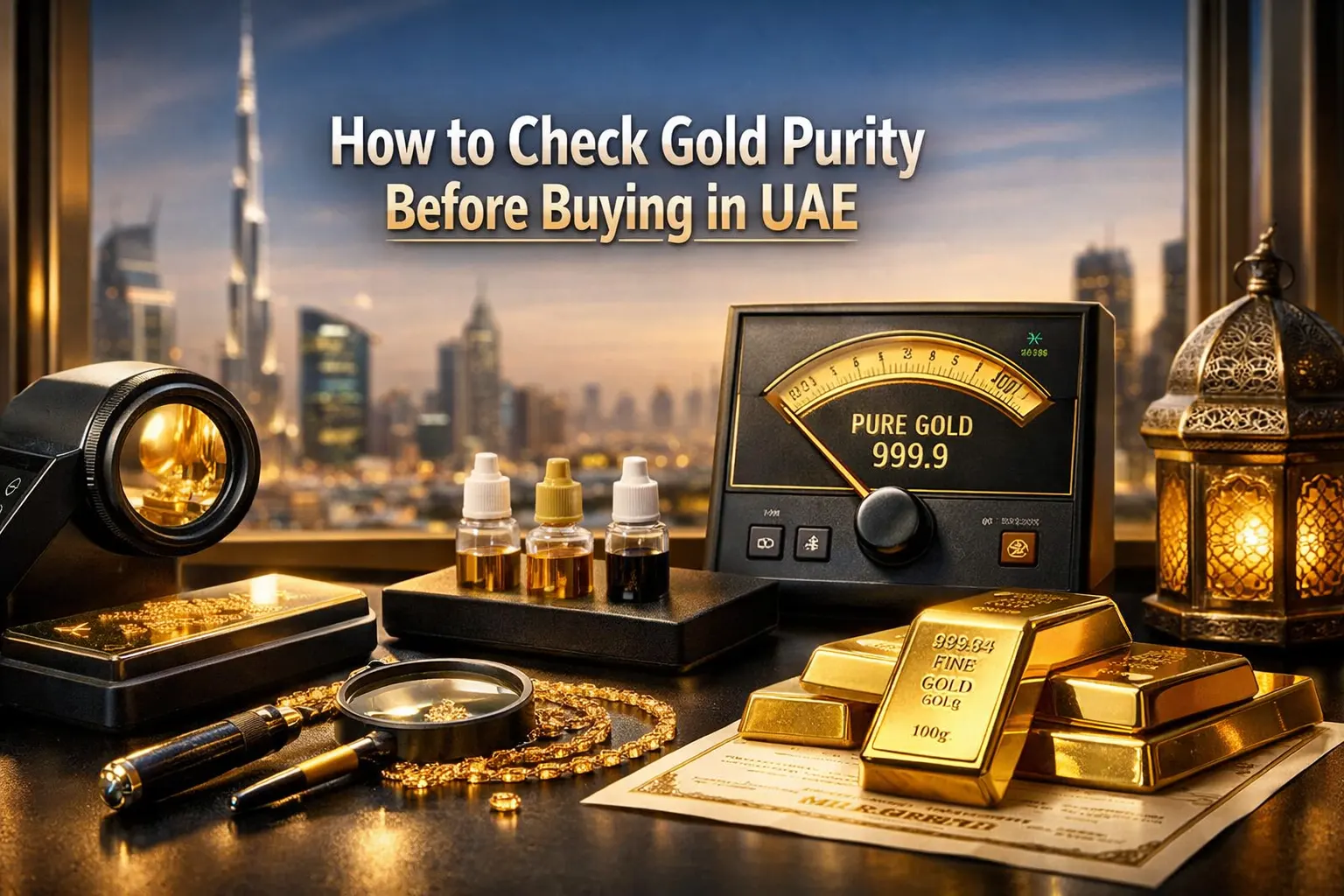
Understanding how to check gold purity before buying is essential, especially in a fast-moving market like the UAE. Whether you’re purchasing gold jewelry or investing in gold bars, a few simple verification steps can protect you from costly mistakes and give you full confidence in your purchase.
In this guide, you’ll learn practical, real-world methods to test gold purity, understand gold karats, and make informed buying decisions based on facts—not assumptions.

What Does Gold Purity Mean?
When you see a piece of gold labeled as 24K or 18K, you’re not just looking at a number—you’re looking at how much of that item is actually pure gold.
Gold purity simply refers to the percentage of real gold in a piece, compared to other metals mixed into it. Since pure gold is naturally soft and easy to bend, it’s often combined with metals like copper or silver to make it stronger and more suitable for everyday use—especially in jewelry.
Understanding this difference is important because it directly affects what you’re paying for. Two pieces of gold might look identical, but their actual value can vary significantly depending on their purity.
Understanding Gold Karats (24K, 22K, 18K)
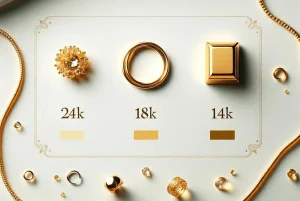
Gold purity is measured in karats (K), and each level tells you how much pure gold is inside the item:
- 24K gold: 99.9% pure gold (highest purity, mainly used for investment)
- 22K gold: around 91.6% gold mixed with small amounts of other metals
- 18K gold: around 75% gold, making it more durable and ideal for daily wear
In simple terms, the higher the karat, the purer—and usually more expensive—the gold.
Gold Purity Percentage Explained
Each karat corresponds to a specific percentage of gold:
- 24K = 99.9%
- 22K = 91.6%
- 18K = 75%
- 14K = 58.5%
This percentage helps you understand exactly how much gold you’re getting, rather than relying only on appearance or labeling.
Gold Karats vs Hallmark Marks in UAE
Karat | Purity % | Hallmark Mark | UAE Standard | Best For |
24K | 99.9% | 999 | ✅ Yes | Investment bars |
| 22K | 91.6% | 916 | ✅ Yes (most common) | Jewelry, Dubai standard |
| 21K | 87.5% | 875 | ✅ Yes | Gifts, Asian market |
| 18K | 75.0% | 750 | ✅ Yes | Daily wear, modern designs |
14K | 58.5% | 585 | ✅ Yes | Budget jewelry |
| 12K | 50.0% | 500 | ⚠️ Rare | Very affordable |
UAE Hallmark Examples You’ll See:
- 916 = 22K (91.6% pure) ← Dubai Gold Souk standard
- 750 = 18K (75% pure) ← Modern jewelry
- 999 = 24K bars (investment grade)

Why Purity Matters Before Buying
Before you buy any gold item, purity should always be one of your top considerations:
- Price: Higher purity means higher cost
- Durability: Lower karat gold is stronger and more resistant to wear
- Investment value: Investors typically prefer 24K gold for long-term value
- Resale: Higher purity gold is easier to resell and holds value better
If you don’t understand purity, it becomes easy to overpay for gold that doesn’t match its claimed quality—especially in fast-paced markets.
7 Proven Ways to Check Gold Purity Before Buying
Before purchasing gold, especially in a fast-moving market like the UAE, relying on appearance alone is not enough. Smart buyers combine quick checks with more reliable methods to make sure they’re getting exactly what they pay for.
Here are the most effective ways to check gold purity—along with when to use each one and how reliable it is.
1. Check the Hallmark Stamp
The hallmark is your first and most important checkpoint. It indicates the gold’s purity and certification.
Common markings include:
- 999 (24K gold)
- 916 (22K gold)
- 750 (18K gold)
When to use it:
Always—this should be the first thing you check before buying.
Accuracy:
High (if the stamp is genuine)
Safe before buying?
Yes, completely safe and essential
Pro tip:
Always combine this with another test, as fake items can sometimes carry misleading stamps.
2. Magnet Test
Gold is not magnetic, so this test helps identify if other metals are present.
How it works:
Bring a strong magnet close to the item. If it reacts or sticks, it likely isn’t pure gold.
When to use it:
Quick initial check, especially in-store
Accuracy:
Low to medium
Safe before buying?
Yes, but not reliable on its own
3. Acid Test
A traditional method used to determine gold purity more precisely.
How it works:
A small drop of acid is applied to the surface, and the reaction indicates the karat level.
When to use it:
When you need a more accurate result (usually after purchase or by a professional)
Accuracy:
High
Safe before buying?
Not ideal—it can slightly damage the item
4. Density Test
Gold has a unique density, making this method useful for verification.
How it works:
You measure the weight and water displacement to calculate density.
When to use it:
For detailed verification, especially for gold bars
Accuracy:
High (if done correctly)
Safe before buying?
Usually not practical in-store
5. Ceramic Test
A simple at-home method to check authenticity.
How it works:
Rub the gold on an unglazed ceramic surface:
- Gold streak → likely real
- Black streak → possibly fake
When to use it:
Basic home testing
Accuracy:
Medium
Safe before buying?
Not recommended—it may scratch the item
6. Electronic Gold Tester
A modern and reliable tool used by professionals and many jewelry stores.
How it works:
Measures electrical conductivity to determine purity.
When to use it:
In-store verification before purchase
Accuracy:
High
Safe before buying?
Yes, non-destructive and ideal
7. Professional Appraisal
The most reliable way to confirm gold purity.
How it works:
Experts use advanced tools such as XRF machines to analyze the gold without damaging it.
When to use it:
For high-value purchases (especially gold bars or investment gold)
Accuracy:
Very high
Safe before buying?
Yes, and strongly recommended for expensive items
🔍Smart Insight
No single method is perfect on its own. The safest approach is to combine:
- Visual checks (hallmark)
- Quick tests (magnet or electronic tester)
- Professional verification (for high-value items)
This layered approach significantly reduces your risk when buying gold.
Gold Testing Methods Comparison
Not all gold testing methods offer the same level of accuracy or practicality. Some are suitable for quick checks before buying, while others are better for professional verification.
The table below gives you a clear comparison to help you choose the right method depending on your situation:
Method | Accuracy | Best Use | Safe Before Buying |
Hallmark Stamp | High | First verification | Yes |
Magnet Test | Low | Quick screening | Yes |
| Acid Test | High | Professional testing | No |
Density Test | High | Advanced verification | No |
| Electronic Tester | High | In-store testing | Yes |
XRF Testing | Very High | Final confirmation | Yes |
Real vs Fake Gold – How to Spot the Difference
Knowing how to test gold is important, but understanding the visible and practical differences between real and fake gold can save you time and prevent mistakes before you even begin testing.
Visual Signs of Fake Gold
At first glance, fake gold can look very convincing. However, there are small details that often reveal the truth:
- Color inconsistency: Real gold has a rich, consistent yellow tone. Fake gold may appear overly shiny or slightly faded.
- Tarnishing: Pure gold does not rust or tarnish. If you notice discoloration over time, it likely contains other metals.
- Surface wear: Fake gold-plated items may show another metal underneath after scratching or long use.
Careful visual inspection can often raise early red flags.
Common Tricks Used by Sellers
Some sellers may use techniques to make gold appear more valuable than it actually is:
- Selling gold-plated items as solid gold
- Mislabeling karat values (e.g., claiming 18K when it’s lower)
- Polishing or coating to enhance appearance
- Mixing gold with heavier metals to fake weight
This is why relying only on appearance or seller claims is risky.
Can Fake Gold Pass Basic Tests?
Yes, in some cases.
- Some fake gold items are designed to pass simple tests like the magnet test
- Gold-plated jewelry may pass visual inspection
- Certain alloys can mimic weight and density closely
That’s why it’s important to combine multiple testing methods and, when necessary, rely on professional verification.
Gold Jewelry vs Gold Bars – Purity Differences
Not all gold products are evaluated the same way. There is a clear difference between how purity is handled in jewelry versus gold bars, especially when it comes to investment decisions.
How Purity Differs in Jewelry
Gold jewelry is rarely 24K because pure gold is too soft for daily wear.
- Most jewelry is 18K or 22K
- Mixed with other metals for strength and durability
- Purity may vary slightly depending on craftsmanship
This makes verification more important, as jewelry often contains alloys.
Why Gold Bars Are Easier to Verify
Gold bars are typically produced for investment purposes and follow stricter standards.
- Usually 24K (99.9% pure)
- Include serial numbers and certifications
- Produced by recognized refineries
Because of this, gold bars are easier to test and verify compared to jewelry.
What Investors Should Know
If your goal is investment:
- Choose high-purity gold (24K bars)
- Always ask for certification
- Verify weight and origin
- Buy from trusted sources only
Understanding this difference helps you make smarter decisions depending on your purpose—whether it’s wearing gold or investing in it.
How to Check Gold Purity in UAE (Practical Guide)
The UAE is one of the most trusted gold markets in the world, especially in Dubai. However, even in such a well-regulated environment, smart buyers don’t rely on reputation alone—they verify.
If you’re buying gold in the UAE, here’s how to check its purity in a practical and reliable way.
Where to Test Gold in Dubai
Dubai offers multiple options for gold testing, whether you are a first-time buyer or an investor:
- Reputable jewelry stores equipped with electronic gold testers
- Gold Souq shops where experienced sellers can perform quick checks
- Independent gold testing centers for more neutral verification
Many stores provide instant testing before purchase, which gives you an extra layer of confidence.
Best approach:
Always ask the seller to test the gold in front of you before finalizing the purchase.
Government & Certified Testing in UAE
Gold in the UAE is strictly regulated, which makes it one of the safest markets globally.
Key things to look for:
- Official hallmark stamps that indicate purity
- Certification from recognized entities
- Advanced testing methods like XRF (X-ray fluorescence)
These systems are designed to ensure transparency and protect buyers from fraud.
Smart Gold Testing Kiosks (Dubai Innovation)
One of the most advanced developments in the UAE gold market is the introduction of smart gold testing kiosks.
These kiosks, introduced in Dubai, allow you to:
- Test gold purity using advanced XRF technology
- Get results in under a minute (40–60 seconds)
- Receive accurate readings without damaging the gold
Why this matters:
This is one of the fastest and most reliable ways to verify gold purity before buying—without relying entirely on the seller.
This kind of innovation gives buyers more control and makes the UAE market even more transparent.
What Documents You Should Ask For
Before buying any gold item, documentation is just as important as testing.
Always request:
- Purchase invoice with full details
- Purity certificate (especially for gold bars)
- Weight and karat confirmation
These documents are essential for:
- Verifying authenticity
- Future resale
- Investment security
🔍 Smart Buying Insight
Even in a trusted market like the UAE, the safest approach is simple:
Verify → Confirm → Buy
- Verify using visible and technical methods
- Confirm through documentation
- Buy only when everything matches
Common Mistakes Buyers Make
Even experienced buyers can make mistakes when purchasing gold. Being aware of these common errors can help you avoid unnecessary risks.
- Relying only on appearance without testing
- Ignoring the hallmark or not verifying it properly
- Buying from unknown or untrusted sellers
- Not asking for official documentation
- Choosing price over quality
Avoiding these mistakes can save you from financial loss and ensure a safer buying experience.
Smart Tips Before Buying Gold
Making a smart gold purchase requires a combination of knowledge and caution. These tips can help you buy with confidence:
- Always buy from a trusted and established seller
- Compare prices with the current market rate
- Understand the difference between karats before choosing
- Ask for certification and proof of authenticity
- If unsure, get a second opinion or professional test
These steps are especially important if you’re buying gold for investment purposes.

Quick Checklist Before You Buy Gold
Use this checklist as a final step before making your purchase:
- Confirm the karat and purity level
- Check the hallmark stamp carefully
- Verify the weight and price per gram
- Ask for a certificate or invoice
- Test the gold if possible
- Buy only from reputable sources
This simple checklist can significantly reduce your chances of buying fake or low-quality gold.
FAQs About Gold Purity
How can you tell if gold is real?
You can check the hallmark, perform simple tests like the magnet test, or use professional tools such as electronic testers or XRF machines.
Can fake gold pass a magnet test?
Yes, some fake gold alloys are non-magnetic, which means they can pass this test. That’s why additional testing methods are recommended.
Is 18K gold real gold?
Yes, 18K gold is real gold. It contains 75% pure gold mixed with other metals for strength and durability.
Can you test gold at home?
Yes, basic methods like the magnet test or ceramic test can be done at home, but they are not always fully reliable.
What is the safest way to check gold purity?
The safest way is through professional testing using certified tools or laboratories, especially for high-value items.
Where to Buy Certified Gold in UAE
After learning how to check gold purity, the next step is just as important—choosing where to buy from.
In a market like the UAE, where gold is widely available, not all sellers offer the same level of transparency and reliability. The safest approach is to choose a trusted provider that prioritizes certified products, clear documentation, and accurate purity verification.
Reliable gold sellers typically provide:
- Clearly stamped gold that matches its stated karat and purity
- Official documentation, including purity certificates
- Transparent pricing aligned with live market rates
- Professional guidance to help buyers make informed decisions
This becomes even more important when purchasing high-value items such as gold bars or investment-grade gold, where even small differences in purity can significantly impact value.
For this reason, many buyers in the UAE prefer working with trusted gold providers like Delor, where transparency, certification, and product authenticity are part of every purchase.
Final Thoughts
Checking gold purity before buying is not just an extra step—it’s a necessary part of making a smart and secure purchase. Whether you are buying gold jewelry for personal use or investing in gold bars, understanding purity, testing methods, and market standards gives you full control over your decision.
In a market like the UAE, where gold quality is generally high, combining your knowledge with trusted sellers ensures that you get genuine value for your money. Taking a few extra minutes to verify gold can protect you from costly mistakes and help you invest with confidence.